What to do now that Meta dropped end-to-end encryption on Instagram's direct messages
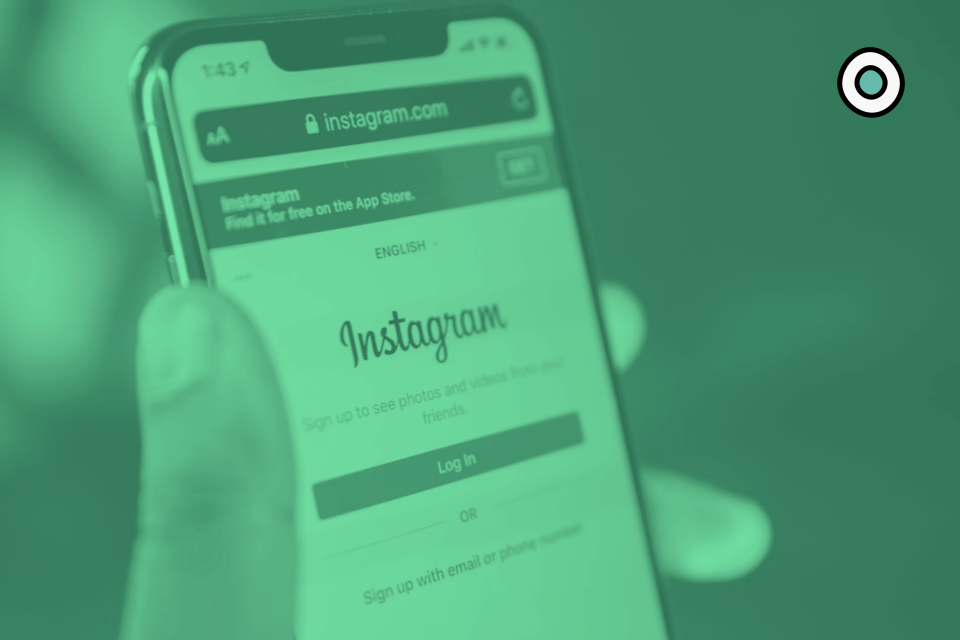
Meta announced that, from May 8, 2026, Instagram will no longer support end-to-end encryption (E2EE) on direct messages, and that they will be removing this option in the coming months. This measure means that all message exchange between users —including text, images, audios, and videos— will be accessible by Meta and its partners. Instagram users around the world started receiving notifications with instructions to download messages they want to keep private.
This decision came as a surprise, after, in 2019, Zuckerberg announced his vision of a privacy-focused company introducing end-to-end encryption technology across messaging on Facebook and Instagram, under the motto: "the future is private". In an Instagram help center post, deleted past week, Meta had stated: "No one can read your messages or hear your calls except the people who have these special keys - not even Facebook. We couldn't even if we wanted to". Well, now, they can.
Although Meta hasn't published an official statement -the announcement came as an edition of the 'End-to-end encryption on Instagram' on Instagram's Help center-, a Meta spokesperson told The Guardian that "very few people were opting in to end-to-end encrypted messaging". This low adoption rate is explained mainly because the E2EE feature was not set by default. To do so, users had to start an "Encrypted Chat" with a specific user.
Whether as a strategy to comply with requirements for prosecuting child exploitation crimes, or to train its large language models using message content, or as a move towards implementing Meta accounts, Instagram users' communications are left exposed.
What can you do to communicate privately?
Our recommendation is to use trusted communication services that offer end-to-end encryption. Although WhatsApp, also owned by Meta, offers this service, there are more secure and trusted options, which will better protect your data and metadata. Read our guide on how to use messaging apps more securely and the list of more secure chat applications.
Email also offers the ability to end-to-end encrypt your messages. Follow the guide on how to protect your email messages with end-to-end encryption. You can also choose secure email providers and email applications that support end-to-end encryption.
Also, remember that direct messages are just one of the ways you can be exposed. The companies that run these platforms typically have a business model that profits from processing users' communications and selling their information. Furthermore, social media platforms are actively monitored by governments and law enforcement agencies. When you use their services, you agree to their terms, which state that it is acceptable for them to share or sell this data, among other privacy concerns. Learn how to protect yourself and your data while using social media, specifically the Instagram guide.
Alternatives to proprietary social media
There are other social media platforms that can help you connect with people and spread messages without leaving your personal information as exposed as it is on mainstream platforms. For instance, you can choose from the many services of the Fediverse: register on Mastodon for microblogging or opt for Pixelfed to share images. In both cases, as these are decentralized and federated platforms, you need to start by identifying a trusted server where to register. Explore more alternatives in our blogpost Considering an X-odus? Here are some tips.
Image: Instagram, by Solen Feyissa - @solenfeyissa for Unsplash.